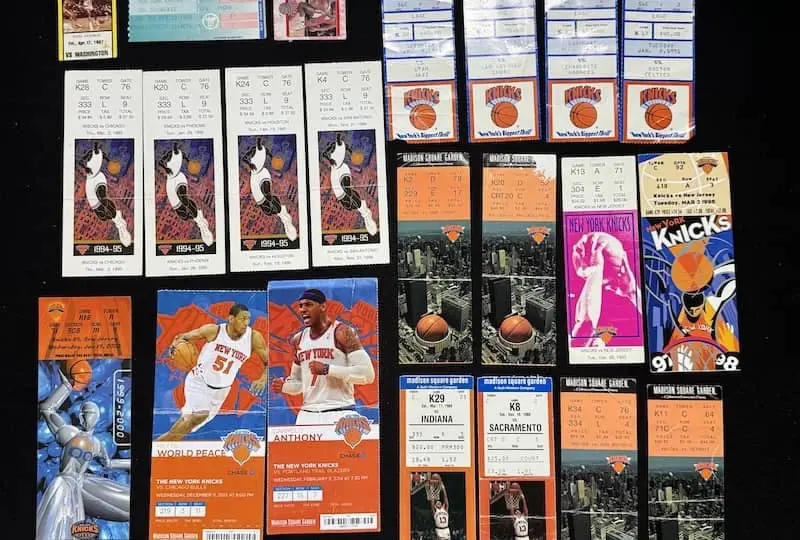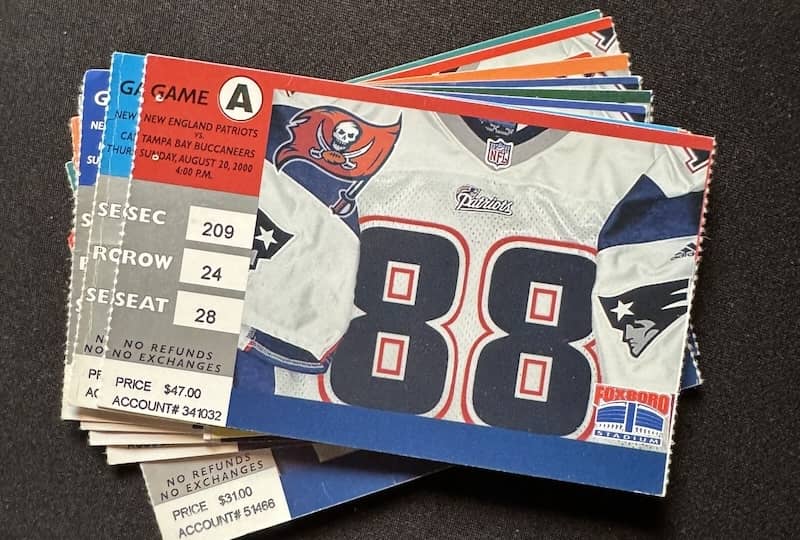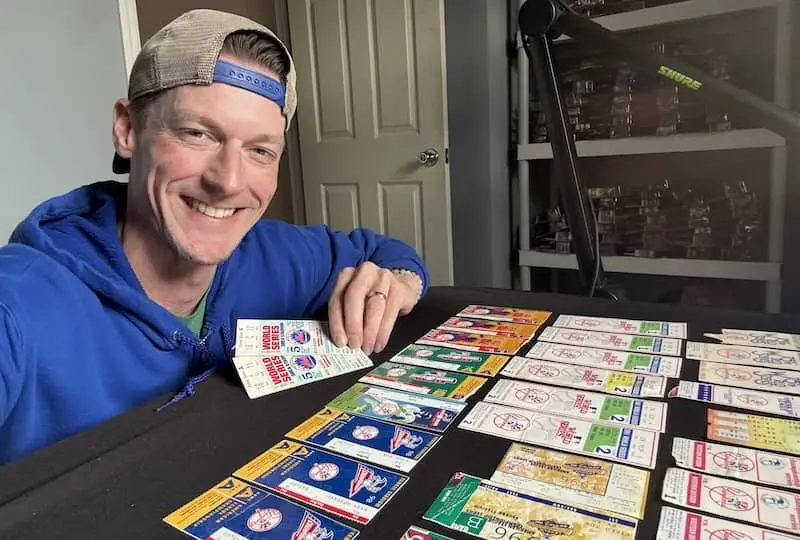
So, you’ve found someone who wants to buy your vintage ticket stub collection. At first, you’re excited, but then you worry that it could potentially be a scam.
Are they going to actually pay you?
What if your shipment gets lost?
How do you protect yourself?
It can feel risky sending something valuable to a stranger you found online. Fair enough. Here’s what makes it safer for both sides.
Identifying a Safe Process
When looking for a way to sell your ticket stubs online, find a buyer who explains their process before you send anything. A trustworthy process usually looks like this:
- Send photos of your collection. This gives the buyer what they need to make an accurate offer.
- Receive a free offer, and feel free to compare offers from multiple buyers before deciding.
- Know who pays for shipping. Some buyers cover it, either through a prepaid label or by adding a little extra cash to the offer so you can cover it yourself, while others leave shipping to you entirely. Neither is automatically a red flag. Either way, a tracking number should come with the shipment.
- Understand how and when you’ll be paid. A trustworthy buyer will tell you upfront whether payment happens before or after your items arrive, and by what method.
What Are Some Warning Signs?
A few patterns show up again and again in stories about collectible scams, and they aren’t unique to ticket stubs.
A Request for Upfront Payment
A real buyer pays you, not the other way around. Any request for a processing fee, payment for an offer, a shipping deposit, or a membership cost before you see an offer is reason enough to stop.
Unusual Payment Methods
Recognized, traceable payment services are one of the clearest signs of a safe process. Common methods include PayPal, Venmo, Zelle, and mailed checks.
Pressure To Sell Quickly
A legitimate offer does not expire in the next hour. No legitimate buyer needs you to decide before you have had time to think their offer over or to ask a question.
What Are Some Trustworthy Payment Options?
A request to pay through a gift card or an unfamiliar bank transfer is a signal. Neither is typical for a legitimate transaction. Payment through a recognized, traceable app or service is one of the clearest signs of a safe process.
Common payment methods include PayPal, Venmo, Zelle, and mailed checks. With PayPal or Venmo, many buyers pay before anything ships. That means the money is already in your account before a single stub leaves your house. With Zelle or a check, payment more often goes out once the collection has arrived and been checked against the offer, since those methods take a little longer for a bank to confirm.
PayPal and Venmo offer some ability to dispute a payment if something goes wrong, which is why paying first carries little risk for the buyer. Zelle and checks settle quickly and can’t be reversed once sent, which is why those buyers typically wait for the collection to arrive first. What matters most is that the buyer uses a recognized payment method and is upfront about which timeline applies before anything is shipped.
Should I Include Tracking?
Whether you or your buyer pays for shipping, it’s a good idea to include a tracking number. A tracked shipment means both sides know exactly where a package is at every step. Both of you have an electronic trail if anything ever goes wrong along the way. It costs very little and can help you both feel more secure. If your buyer is covering shipping, they should pay for tracking, too. That’s a common best practice.
It’s also a good idea to snap a few photos of everything before sealing the box. That gives you your own record of exactly what you sent, separate from anything the buyer has on file.
For a larger or especially old collection, adding shipping insurance through the carrier can be worth the few extra dollars. It’s often a small cost compared to the peace of mind it provides.
What Happens if You Decline the Offer?
If you decide to decline a buyer’s offer, nothing should happen. You should be able to turn it down at no cost, since nothing ever left your house.
There should also be no penalty for asking questions before deciding either way. A number on its own does not tell you everything, and it is reasonable to ask what made a particular stub worth what it was offered before agreeing to anything.
What Is the Full Process, Start to Finish?
Before sending anything, a safe process checks the following boxes:
- No pressure to decide quickly
- Clear answers on who pays for shipping and tracking
- A clear understanding of how and when you’ll be paid
- No cost to get an offer in the first place
Look for a buyer whose website lays out a complete step-by-step breakdown, including exactly how offers are made and how shipping is arranged. A reputable buyer will typically respond with a no-obligation cash offer quickly, sometimes within minutes, and nothing in the process should require you to decide before you see a number.